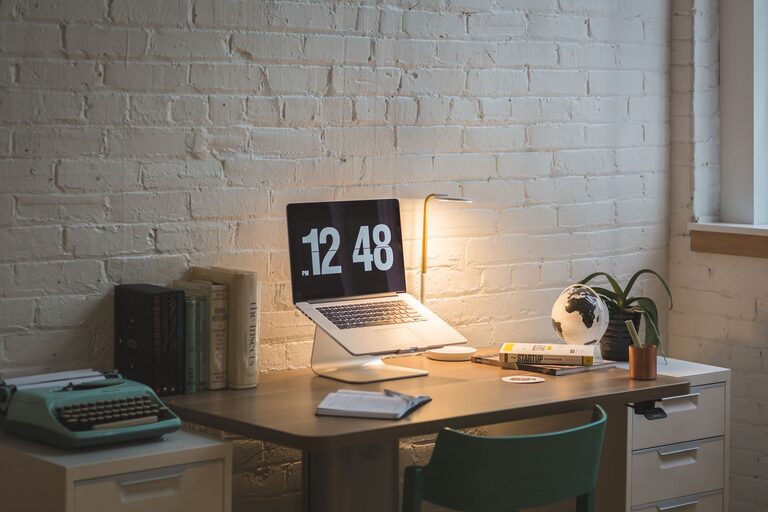
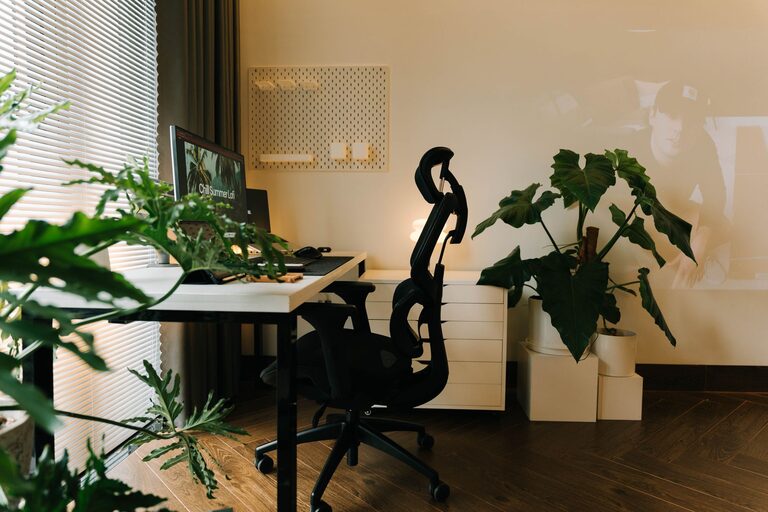
Creating a relaxing home office environment is essential for maintaining focus, creativity, and overall well-being while working from home. A calm and inviting workspace can reduce stress, increase motivation, and help you separate work from personal life even when both take place under the same roof. Below, we’ll explore practical tips for designing a home office that feels comfortable and inspiring.
Choose the Right Location
Find a Quiet Spot
Select a part of your home that offers privacy and minimal distractions. This might be a spare bedroom, a corner in the living room, or even a nook near a window. The key is to find a space where noise and interruptions are limited.
Consider Natural Light
Natural light positively impacts mood and energy. Try to position your desk near a window to enjoy daylight. If natural light isn’t an option, choose soft, warm artificial lighting that reduces eye strain.
Invest in Comfortable Furniture
Ergonomic Chair and Desk
An ergonomic chair supports your posture and prevents back pain, while an adjustable desk helps you find the ideal working height. Comfort is crucial if you spend many hours seated.
Add Functional Storage
Clutter can increase stress and decrease focus. Use shelves, drawers, or baskets to keep supplies and documents organized. A tidy workspace creates a peaceful atmosphere.
Personalize Your Space
Use Calming Colors
Colors affect emotions. Soft blues, greens, or neutral tones promote tranquility and concentration. Avoid overly bright colors that may feel distracting.
Decorate with Plants
Indoor plants bring life to your office and improve air quality. Easy-to-care-for plants like succulents or pothos can make your space feel more refreshing.
Display Inspiring Items
Include artwork, photos, or motivational quotes that resonate with you. These personal touches can boost your mood and help maintain a positive mindset throughout the day.
Manage Technology Wisely
Organize Cords and Devices
Messy cables create visual clutter. Use cable organizers, clips, or sleeves to keep wires neat and out of sight.
Minimize Digital Distractions
Turn off unnecessary notifications and close unneeded apps during focused work sessions. Consider using website blockers to reduce the temptation of distractions.
Incorporate Relaxation Elements
Use Aromatherapy
A subtle scent like lavender or eucalyptus from a diffuser or candle can promote calmness without overpowering the room.
Create a Comfortable Break Area
If space permits, add a small lounge chair or cushion nearby where you can take short breaks and stretch or meditate.
Play Soothing Background Sounds
Soft instrumental music, nature sounds, or white noise can help drown out distractions and create a serene atmosphere.
Maintain Proper Organization and Routine
Declutter Regularly
Set aside time each week to tidy your workspace. Removing clutter helps maintain a peaceful environment.
Plan Your Workday
Organize your tasks using planners or apps to reduce overwhelm. Knowing what you need to do can help keep stress at bay.
Establish Boundaries
Create clear work hours and communicate them with household members. This helps you focus during work time and disconnect afterward.
Consider Air Quality and Temperature
Ensure Good Ventilation
Fresh air helps keep you alert and comfortable. Open windows occasionally or use an air purifier if needed.
Adjust Room Temperature
A room that is too hot or too cold can affect concentration. Keep your office at a comfortable temperature to maintain productivity.
Final Thoughts
A relaxing home office is a combination of thoughtful design, organization, and self-care. By applying these tips, you can create a workspace that supports your well-being and helps you stay motivated. Remember, the goal is to craft a space that feels uniquely yours—one where work becomes easier and more enjoyable.